
Wildfire season doesn’t give warnings, it just shows up. One day the skies are clear, and the next, there’s smoke on the horizon and alerts pinging your phone. If you live in wildfire country, especially in places like Colorado, this probably isn’t new. But what might feel new is how quickly the risk is increasing and how much control you actually do have to protect your home.
The truth is, wildfire mitigation isn’t just a buzzword, it’s a real action plan. And that plan starts in your own yard.
If you’ve never heard of “defensible space” before, don’t worry. You’re not alone. A lot of homeowners haven’t. But the idea is simple: it’s about creating a buffer zone around your home that can help slow or even stop the spread of wildfire. Think of it as setting your home up to not catch fire by being smart with what surrounds it.

Defensible Space: What It Means and Why It Matters
You don’t have to live deep in the forest to be at risk. Sometimes all it takes is a pile of dry pine needles, an old fence, or a few overgrown shrubs. Fires move fast, and if your yard is filled with the wrong materials or vegetation, your home becomes part of the fuel.
Creating a defensible space is one of the most effective things you can do. It’s about small choices that add up to a safer environment, not just for your home, but for your whole neighborhood.
Here’s how to approach it, one zone at a time.
Zone 1: 0 to 5 Feet – Keep This Area Bare and Fire-Resistant
This zone is the one closest to your home, and honestly, it’s where most people go wrong. We all want to plant those pretty shrubs next to the porch or keep firewood tucked up by the back door. But those things (especially when dry) are basically kindling.
What helps here is simplicity. Gravel, stone, and non-combustible landscaping features are your best friends. If it can burn, it shouldn’t be touching your house. That includes mulch, dry leaves, wood fencing, and even some decorative plants.
Check around your foundation, under your deck, and near vents. If there’s anything flammable in that 5-foot radius, it’s got to go. That small buffer makes a huge difference when it comes to stopping fire from jumping to your structure.
Zone 2: 5 to 30 Feet – Trim, Space, and Stay Green
This is where most of your landscaping probably lives, and it’s where maintenance starts to matter a lot more. The goal here is to slow a fire down before it can reach your house.
Start by making sure your lawn is healthy and watered (yes, even in dry climates). Grass should be mowed down to 4–6 inches. Then look at your trees and shrubs. They need to be spaced out, about 12 feet apart is ideal, and trimmed up, especially the lower branches.
You don’t have to strip your yard bare. You just need to make sure that one burning tree doesn’t turn into five within a few minutes. Fires feed on overgrowth and dense vegetation. Thinning it out gives your home a fighting chance.
Zone 3: 30 to 100 Feet – Clean It Up and Keep It Maintained
This outer zone is often forgotten. Maybe it’s where you store your firewood or park the camper. Maybe it’s just open space or a mix of trees and brush. But it’s still part of your wildfire protection plan.
Think of this area like a buffer. You want to thin trees and shrubs so they don’t create a continuous path for fire to travel. Aim for about 10–15 feet between trees, and clear out brush, dead branches, and anything that could act as fuel. You don’t need to clear-cut your land, but it should look more like a well-maintained park than a thicket.
Firewood? Keep it here, not near the house. And check this zone regularly. Wildfire mitigation isn’t a one-and-done job. It takes ongoing upkeep to keep everything safe.

Other Smart Upgrades That Make a Big Difference
It’s not just about your yard. Your actual house plays a role, too. Materials and construction choices can change how vulnerable your home is if a fire gets too close.
Here are a few areas worth checking:
- Roofing: Class A fire-rated roofing materials are a must. If your roof is older or made of wood shingles, it might be time for an upgrade.
- Vents: They should be covered with 1/8″ metal mesh to keep embers from sneaking in. These little details matter.
- Windows: Dual- or multi-pane windows are more resistant to heat and help prevent breakage during a fire.
- Siding and Trim: Fire-resistant materials like fiber cement are a safer bet than untreated wood.
- Ground Clearance: Keep 6 inches of clearance between your siding and the ground to stop fire from climbing up.
- Fencing: If your fence connects to your house, make sure that part is non-combustible, metal or another fire-resistant material.
Wildfires are unpredictable, but if they do come, having a home that’s built and maintained to resist ignition is a major advantage.
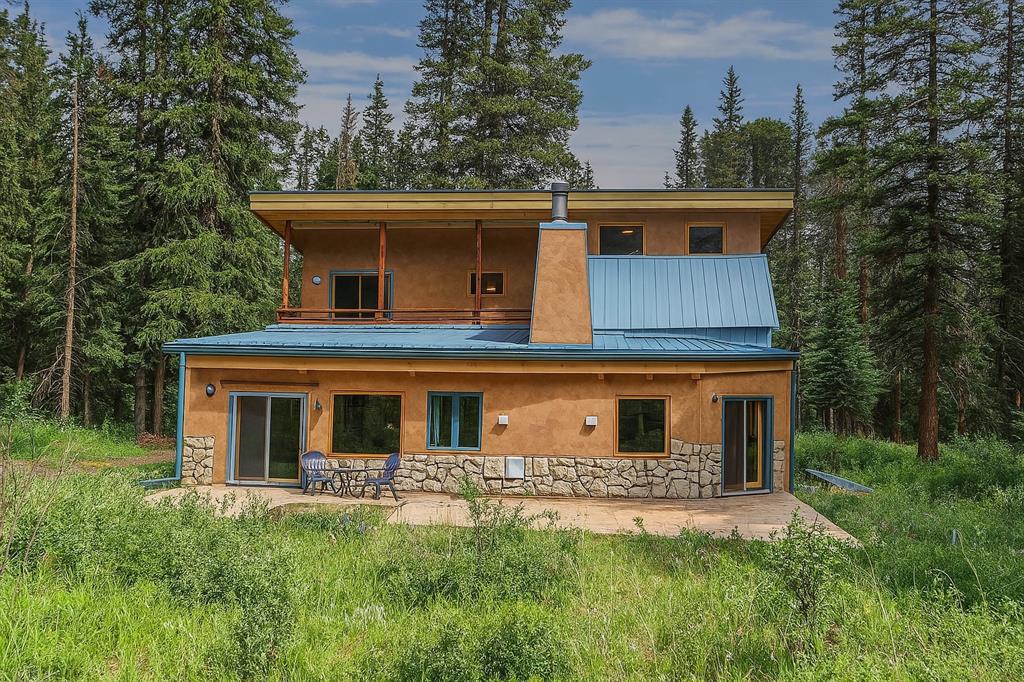
Protecting Your Home Starts in Your Own Yard
Wildfire mitigation isn’t about fear, it’s about preparation. It’s about taking action today so you’re not wishing you had later. And the good news is, you don’t have to do it alone. There are local resources, free programs, and people who can help guide you.
In Summit County, for example, we’ve got a free chipping program that helps you get rid of branches and brush. Red, White, and Blue Fire Protection District also offers free wildfire consultations to help you figure out what to change and how to do it.
If you’re feeling overwhelmed or just need help getting started, that’s exactly what I’m here for. I’m Jan Leopold with RE/MAX Properties of the Summit in Breckenridge, CO, and I’ve been working with homeowners in wildfire-prone areas for years. I know what to look for, who to call, and how to turn your yard into something safer, without losing what you love about living in the mountains.
Because this isn’t just about your house. It’s about your community. When each of us takes steps to prepare, we all benefit. Fires may be part of life here, but they don’t have to catch us off guard.
Let’s get ahead of it. Let’s stay safe. And let’s protect what matters.